VelocityIndex resources: everything you need to get started and get the most out of the platform — documentation, tools and answers in one place.
Resources: Documentation & Tools
- API Documentation — authenticate, submit URLs and query indexing status from any stack via the REST API.
- WordPress Plugin — connect WordPress to VelocityIndex and automate submission on publish.
- Integrations — connect Google Search Console, analytics and supported search engines.
- IndexNow documentation — the open protocol VelocityIndex uses to notify participating search engines instantly.
Resources to Learn From
- Features — the complete platform feature list.
- FAQ — answers to the most common questions about indexing, plans and setup.
- Case Studies — how agencies, stores and publishers use VelocityIndex.
Resources for Support
Need help with setup, billing or a technical question? Contact the team — we answer from the same dashboard and platform we ship. Enterprise and agency inquiries are welcome: these resources cover most self-service cases, and we are happy to walk you through the rest.
Getting the Most From This Page
New to the platform? Start with the WordPress plugin page if your site runs on WordPress — it covers installation and the five-minute first sync. Developers integrating directly should go straight to the API documentation for endpoint references and authentication details. The integrations page lists every engine and platform connection the material here relies on.
This section is maintained alongside the product, so they reflect the current release rather than historical versions. When a page references a plan limit or an API field, it matches what the live dashboard enforces.
Suggest a Topic
Missing a guide or an example you need? The guides on this page grow from user requests. Reach out through the contact page and tell us which resource would help — common requests become documentation, and recurring questions land in the FAQ.
Guides by User Type
Site owners running WordPress will find the plugin guide the fastest route: install, connect, and let submissions run automatically. Agencies managing client sites should pair the integrations overview with the case studies to see which workflows map to their client mix. Developers get the most value from the API documentation, which includes authentication, rate limits, and response formats for every endpoint.
Video and Reference Material
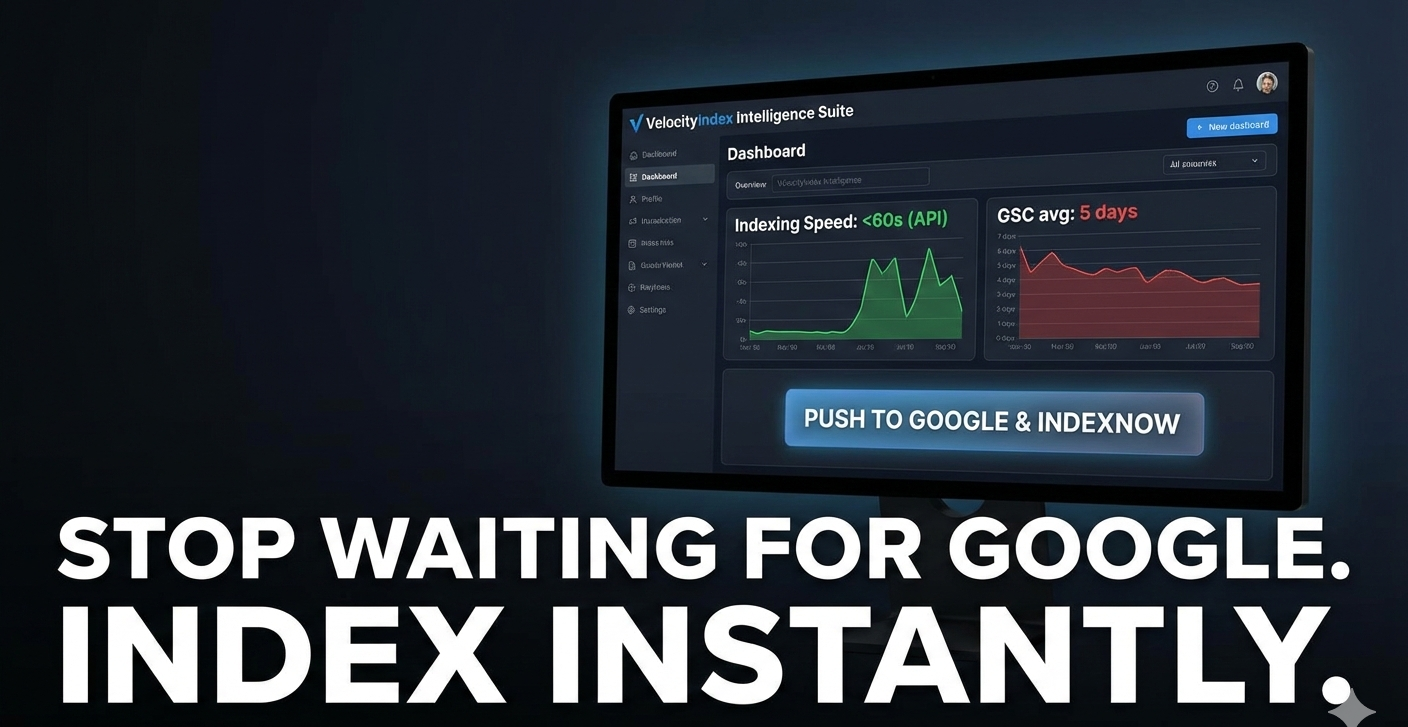
Where a topic benefits from a visual walkthrough — dashboard tours, plugin setup, reading indexing reports — this section links to the relevant material. Reference pages are versioned with the product, so the screenshots and field names you see here match the release currently running on velocityindex.ai.
Staying Up to Date
New guides ship with each release. The fastest way to catch additions is the FAQ, linked above; engine coverage changes are announced on the integrations page as soon as they go live.
Engine Coverage and Protocol References
Indexing starts with the protocols each engine supports. VelocityIndex works with IndexNow for near-real-time submission and falls back to standard crawl discovery where engines require it. The linked references explain the underlying standards if you want the technical detail behind what the platform automates for you.
For questions the guides do not answer, the FAQ covers account, billing, and engine-specific topics in plain language — and the support route on the contact page reaches the team that maintains these resources.
Bookmark this page if you work with indexing regularly — it is the single starting point that links to every guide, reference, and support channel VelocityIndex publishes.
Everything here links back to the live platform — if a guide and the dashboard ever disagree, the dashboard reflects the current release and we update the guide.